Mastering the Future: GIMTS Blog
Home / Blog
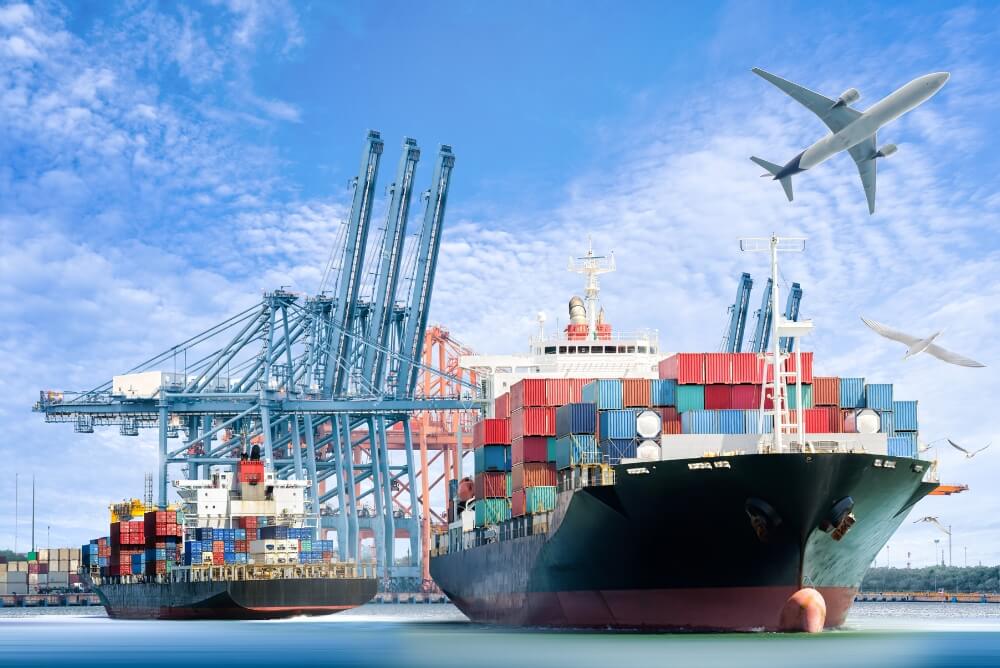
Unlocking Growth: Opportunities in India's Logistics Industry

gimts
India’s logistics sector, a key player in the global supply chain, is poised for remarkable growth. As the industry continues to evolve, several opportunities emerge, shaping the landscape and contributing to economic development.
1. Size and Scale
The logistics sector in India is one of the world’s largest, estimated at $215 billion and growing at a commendable CAGR. The sheer size and scale present immense opportunities for businesses to tap into a vast and expanding market.
2. E-Commerce Boom
With the exponential rise of e-commerce, the logistics industry has become a vital driver of development. The seamless integration of logistics and e-commerce creates opportunities for logistics companies to meet the increasing demand for efficient and timely deliveries.
3. Technology Integration
The adoption of technology is transforming the logistics landscape in India. Innovations such as route optimization, real-time tracking, and warehouse automation present opportunities for businesses to enhance operational efficiency and offer value-added services.
4. Infrastructure Development
Government initiatives focusing on infrastructure development, including the dedicated freight corridors and modern logistics parks, create opportunities for businesses to optimize transportation, reduce costs, and streamline operations.
5. Global Trade
As India actively participates in global trade, the logistics industry plays a pivotal role. Opportunities abound for logistics companies to facilitate international trade, offering services that cater to the complexities of cross-border transportation.
6. Last-Mile Connectivity
The emphasis on improving last-mile connectivity in both urban and rural areas opens avenues for logistics providers to bridge gaps, reaching untapped markets and ensuring efficient delivery networks.
7. Supply Chain Optimization
Businesses looking to optimize their supply chains find opportunities in collaborating with logistics partners who can offer end-to-end solutions, from procurement to distribution, improving overall efficiency.
As India’s logistics industry embraces these opportunities, businesses are positioned to contribute significantly to the nation’s economic growth while reaping the benefits of a dynamic and evolving sector.
You might also enjoy
Powering Progress: How the Oil and Gas Industry Shaped the Global Economy.
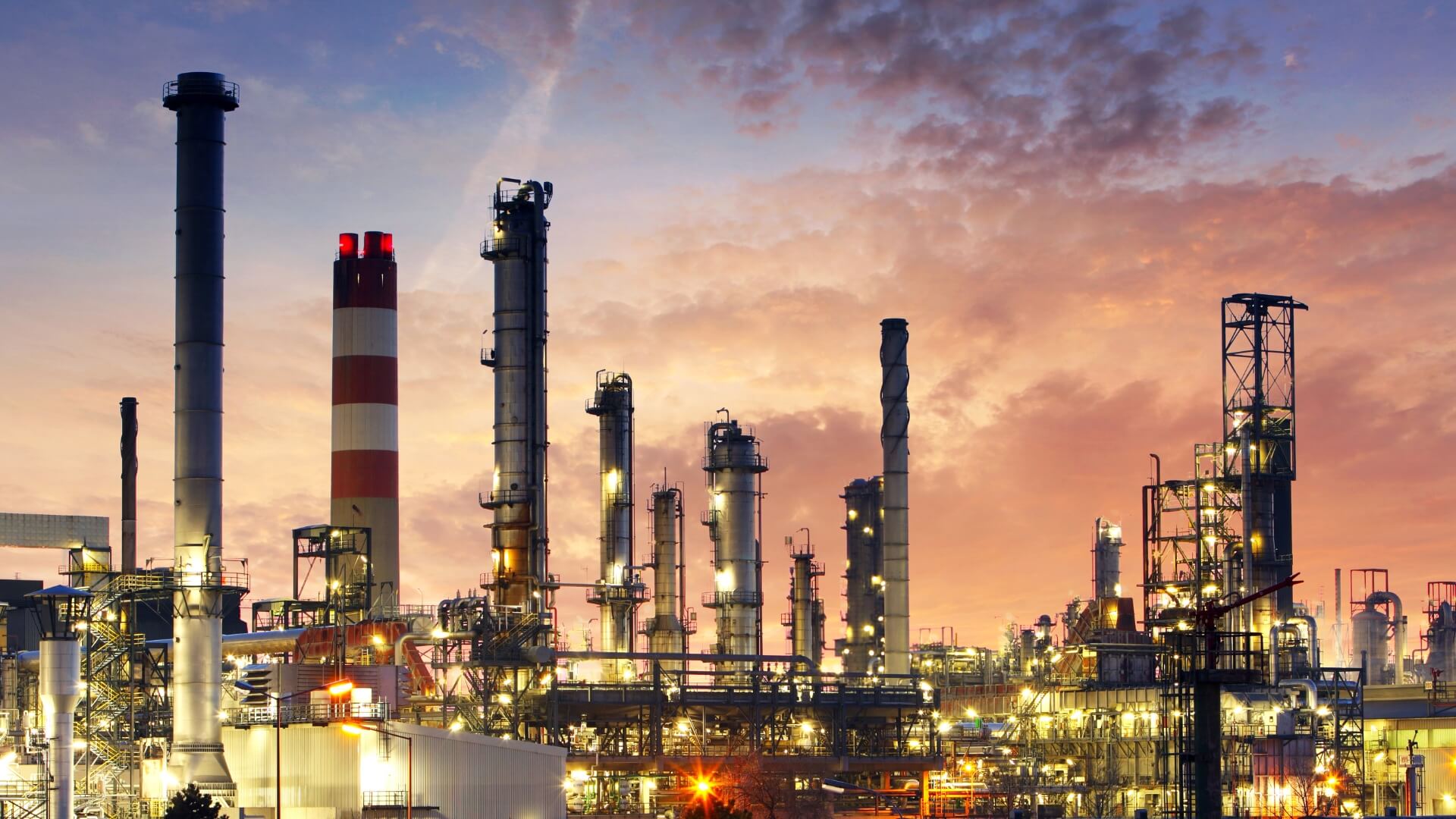
Powering Progress: How the Oil and Gas Industry Shaped the Global Economy
gimts
The oil and gas industry has played a pivotal role in shaping the trajectory of the global economy. As a cornerstone of energy production, it has not only fueled the world but has significantly influenced economic dynamics.
1. Energy Backbone
The oil and gas industry serve as the backbone of global energy supply, powering industries, transportation, and households. Its role as the primary energy source has been central to economic development, driving growth across diverse sectors.
2. Economic Growth and Development
Historically, periods of rapid economic growth correlate with increased demand for oil and gas. The industry’s contribution to GDP, job creation, and investment has been instrumental in fostering economic development on a global scale.
3. International Trade and Geopolitics
Oil and gas are key drivers of international trade, influencing geopolitical relationships. Nations rich in these resources have often held strategic importance, shaping diplomatic ties and global power dynamics.
4. Investment and Capital Flows
The oil and gas sector attracts substantial investments, fostering capital flows and economic expansion. Infrastructure projects, technological advancements, and exploration activities contribute to a robust economic ecosystem.
5. Technology and Innovation
The industry’s pursuit of technological advancements has led to innovations in exploration, extraction, and refining processes. These innovations, often adopted by other sectors, contribute to overall technological progress and economic efficiency.
6. Economic Resilience and Diversification
Countries with thriving oil and gas industries have demonstrated economic resilience. Revenue streams from these resources often support diversification efforts, enabling nations to withstand economic shocks and pursue long-term growth.
7. Challenges and Sustainable Practices
While the industry has fueled growth, it also faces challenges such as environmental concerns. Sustainable practices and investments in renewable energy indicate a shift towards a more balanced and environmentally conscious global economy.
In conclusion, the oil and gas industry’s profound impact on the global economy is undeniable. Understanding its historical significance, present contributions, and future challenges is essential as we navigate towards a more sustainable and diversified economic landscape.